
Note: April bootcamp dates are here. ✨ AI 302 bootcamps “Agentic Foundations” are now live: build agent commands, embed agents in your workflows and run teams of agents. See the email header to sign up.

Last month I planned a three-hour legal hackathon while driving on my commute.
With a single tap, I was live in ChatGPT’s voice mode over CarPlay (or AirPods when on a walk). I had a thought partner, riding shotgun, to talk through ideas or help me learn.
For thirty minutes I chatted about the hackathon: how to structure the day for people with different backgrounds, which exercises would land, what to cut. I pressure-tested the agenda out loud and revised on the fly.
By the time I pulled into work, I had a real plan, hands-free, on a commute I used to think was dead time. (Be safe! Always pay attention while driving.)
Once at my desk, I took that full summary of everything we covered and pasted it into Claude Code to pick up the work and flesh out the full plan.
My commuter vehicle has become a mobile workstation.
One tap, no screen
The setup takes seconds. I added the ChatGPT voice widget to my iPhone lock screen. One tap and I’m live. No typing, no screen, just talking.
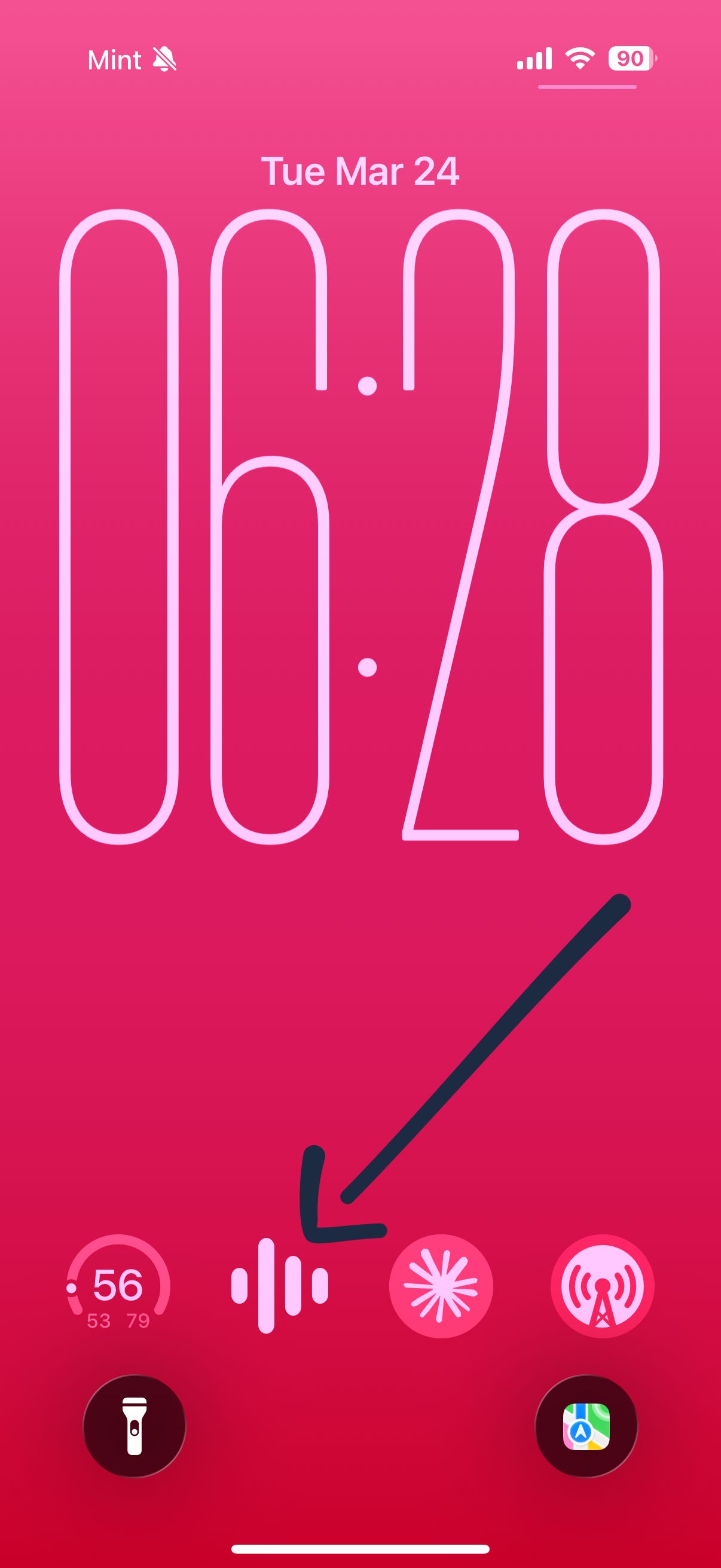
Gemini and others can do this too. I use ChatGPT the most because it has the most human-like inflections and tones. That matters more than you’d think. When the voice feels natural, I talk to it like a person, and the conversation gets better for it.
I’m less on guard and more open to thinking out loud. I get to workshop ideas, pressure test assumptions, talk through questions that might otherwise stay stuck in my head.
(I’ve even learned etiquette for interrupting if it goes off course: I just say “One second. Hold on.” It pauses right away.)
What I use it for
I’ve used voice mode to work through real decisions: what car or computer to buy, what architecture for a coding project, even questions about taxes or estate planning.
I plan a lot of my AI bootcamps this way, including their curriculum and logistics (Google Meet or Zoom?). I talk through the outlines of these Substack posts.
The everyday stuff stacks up too. I’ve parsed a confusingly worded insurance adjuster’s letter, researched puppy breeds for our kids and scouted family vacation destinations.
The lighter conversations surprise me just as much. My wife and I are both lawyers. One day on a drive we found ourselves talking through a legal question she had: what’s the difference between assignment, novation and delegation. I turned on ChatGPT voice and it walked us through each doctrine, with hypothetical examples of how a buyer and seller would see the issue differently.
It gave targeted examples and patiently explained different corner cases we asked about. It was more engaging than most CLEs, let alone 1L contracts.
Voice mode searches the internet when you need current information. That’s one way to keep up with the news. A trade policy story I heard about in passing turned into a ten-minute crash course on a region of the world I knew little about. ChatGPT searched for the latest details while I kept asking follow-ups until I understood the history and the mechanics, not just the headline.
Talk, capture, build
The conversations aren’t throwaway. This is the part that changes how you work.
When I arrive, I ask for a full summary of everything we covered. It comes back as a working plan. I sit down at my desk and paste it straight into whatever picks up the work: a document, a plan or another AI tool that builds from where the conversation left off.
I wrote about AI’s plumbing problem: the thinking works but the connections between tools break. Voice mode is one example where the plumbing actually holds. You think while you drive. The summary captures it, and the next tool picks up where you left off.
Once, I brainstormed an entire coding project on a drive. AI and I went back and forth, iterating on features, stress-testing scope, debating what to cut. I walked in, pasted the summary and had an AI building the implementation within minutes.
The loop is voice —> summary —> work.
The timeless skill, pointed somewhere new
There was, you know, voice mode before AI too.
Lawyers know it well: debates, Socratic method, client calls, depositions, negotiations. We’ve been thinking out loud our entire careers and lives.
Voice AI isn’t a new skill. It’s an old practice built on a new technology.
I’ve been writing about building AI intuition: the instinct for directing thinking machines that outlasts any single tool. Voice mode is where I rack up the most reps without trying. There’s no blank page, no cursor, just a conversation with a thinking machine.
Subscribers: April bootcamp dates and AI 302 (Agentic Foundations) are in your email header.
What a fun way to have a robot to robot interaction!